The Country

Five Regions, Each With Its Own Name for Excellence

Tunisia is small enough to cross in a day and varied enough to take a lifetime to know. Here is what each region we source from is known for.

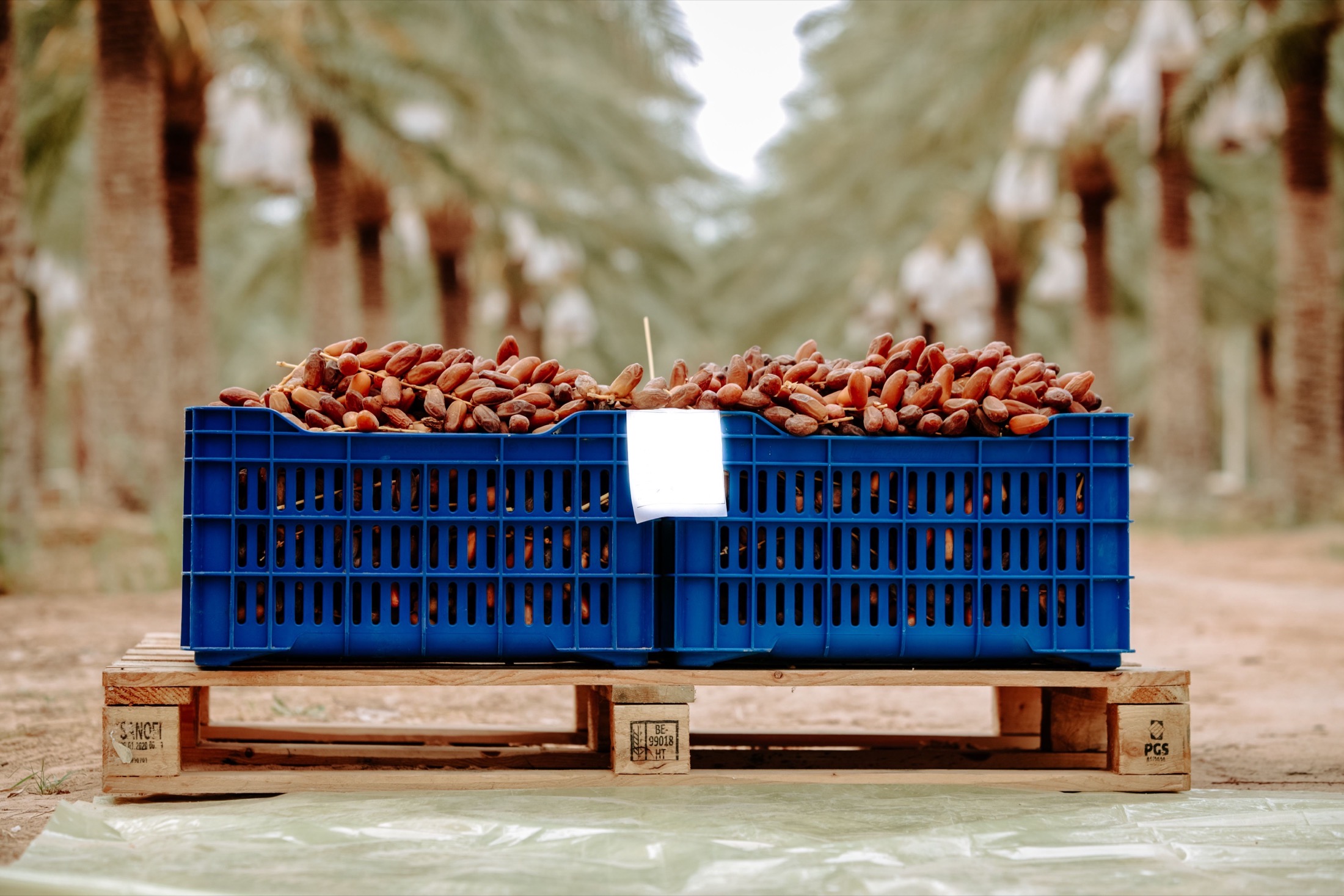
Crates of freshly harvested Deglet Nour dates in a Tozeur palm grove
The Sahara's Doorstep

Tozeur

Tozeur sits where the Sahara meets a chain of natural oases — over 400,000 date palms grow in its groves, fed by ancient spring-water channels older than the Roman roads nearby. Its old town is built from raised, hand-laid brick in geometric patterns found nowhere else in the country. Just outside the city, the film sets of a certain desert-planet saga still stand in the dunes.

  • Deglet Nour date oases
  • Hand-laid brick architecture
  • Gateway to the Sahara
  • Mountain oases of Chebika & Tamerza
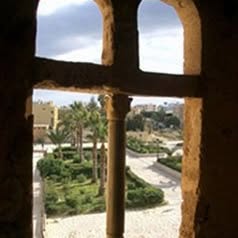
A view through an old stone archway over the gardens of Sousse
Pearl of the Sahel

Sousse

Founded by Phoenician traders and fortified by Islamic dynasties, Sousse's medina is a UNESCO World Heritage site built around the Ribat, a coastal watchtower-fortress still standing after twelve centuries. Beyond its walls, the Sahel region is Tunisia's olive belt, its groves running from the coast inland for miles.

  • UNESCO-listed medina
  • The Ribat fortress
  • Mediterranean beaches
  • Sahel olive groves
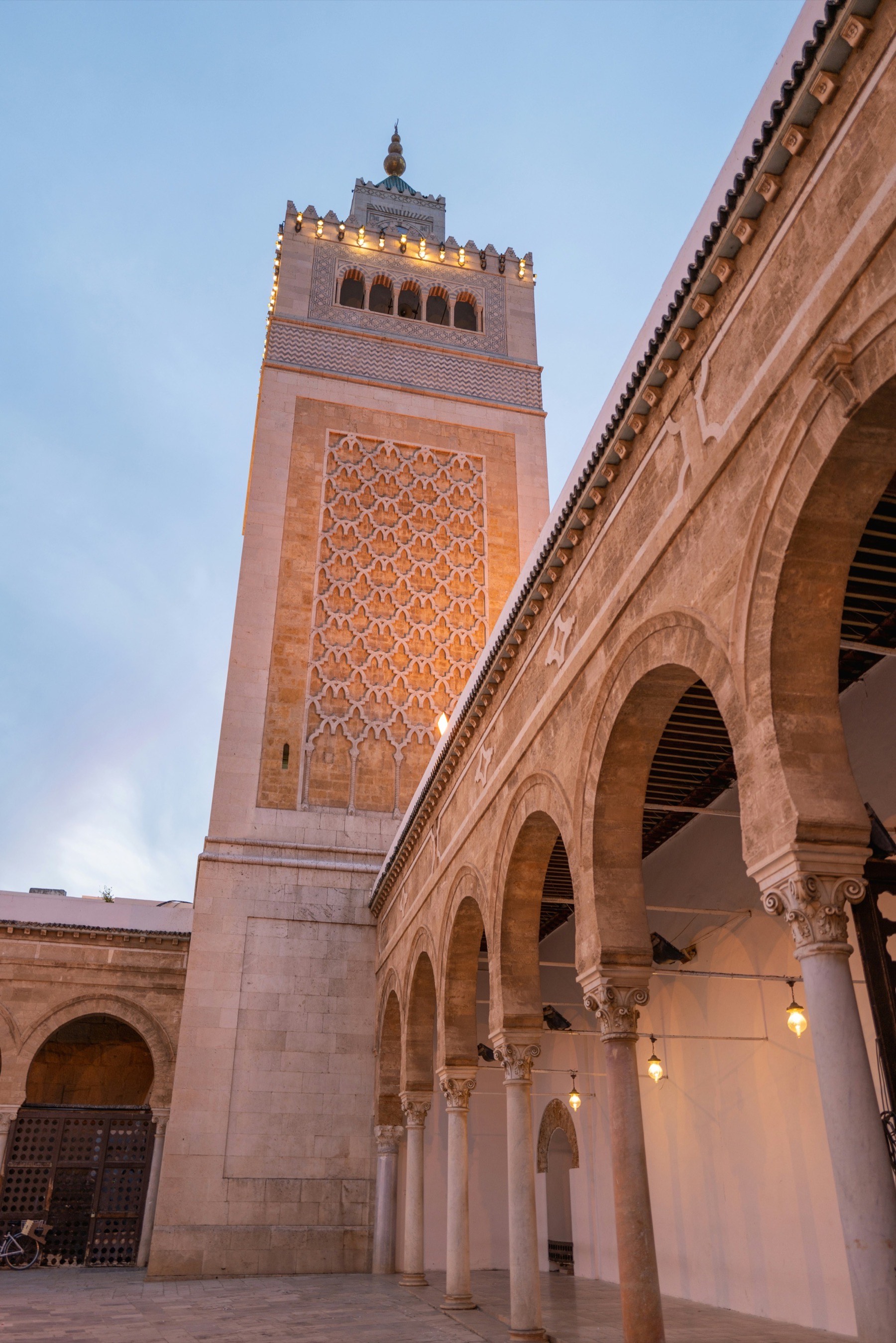
The minaret and stone colonnade of the Great Mosque of Kairouan
The Fourth Holiest City

Kairouan

Founded in 670 AD, Kairouan is considered Islam's fourth-holiest city, built around the Great Mosque of Uqba — its courtyard and columns, many salvaged from Roman ruins, have stood since the 9th century. The city is also Tunisia's carpet capital, where margoum weaving has been passed hand to hand for generations, and its bakeries are famous nationwide for makroudh pastry.

  • Great Mosque of Uqba
  • Margoum carpet weaving
  • Makroudh pastry
  • Roman-era columns & stonework
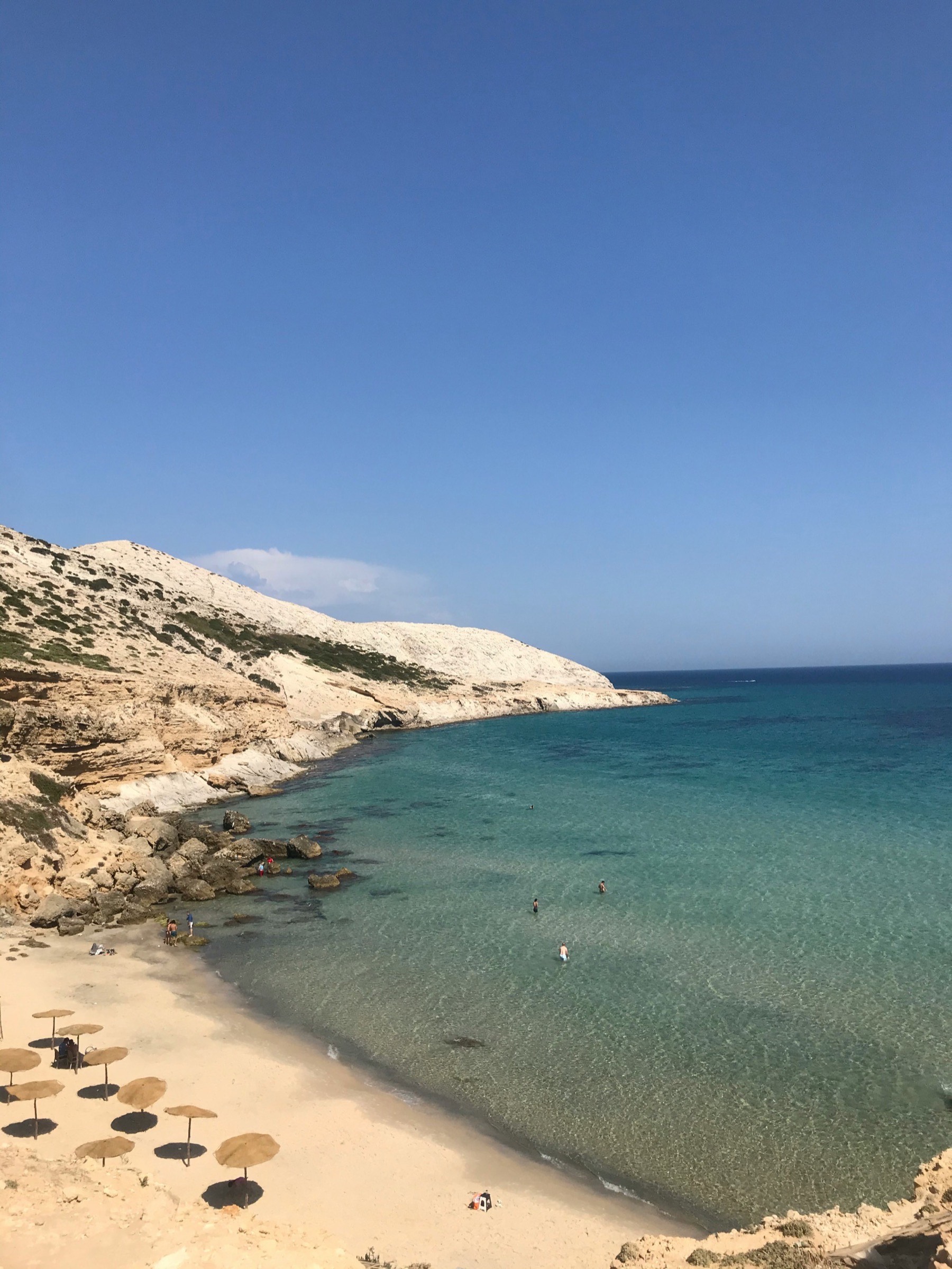
Chalky cliffs above a turquoise cove on Tunisia's northern coast near Tabarka
Coral Coast of the North

Tabarka

Near the Algerian border, Tabarka trades the Sahara for pine-covered hills and a coastline once prized for its coral reefs — coral jewelry is still worked here by hand. A 16th-century Genoese fort watches over the harbor, and each summer the town fills for its long-running jazz festival, a rare cultural export in the other direction.

  • Coral diving heritage
  • Genoese fort
  • Pine-forested coastline
  • Annual jazz festival
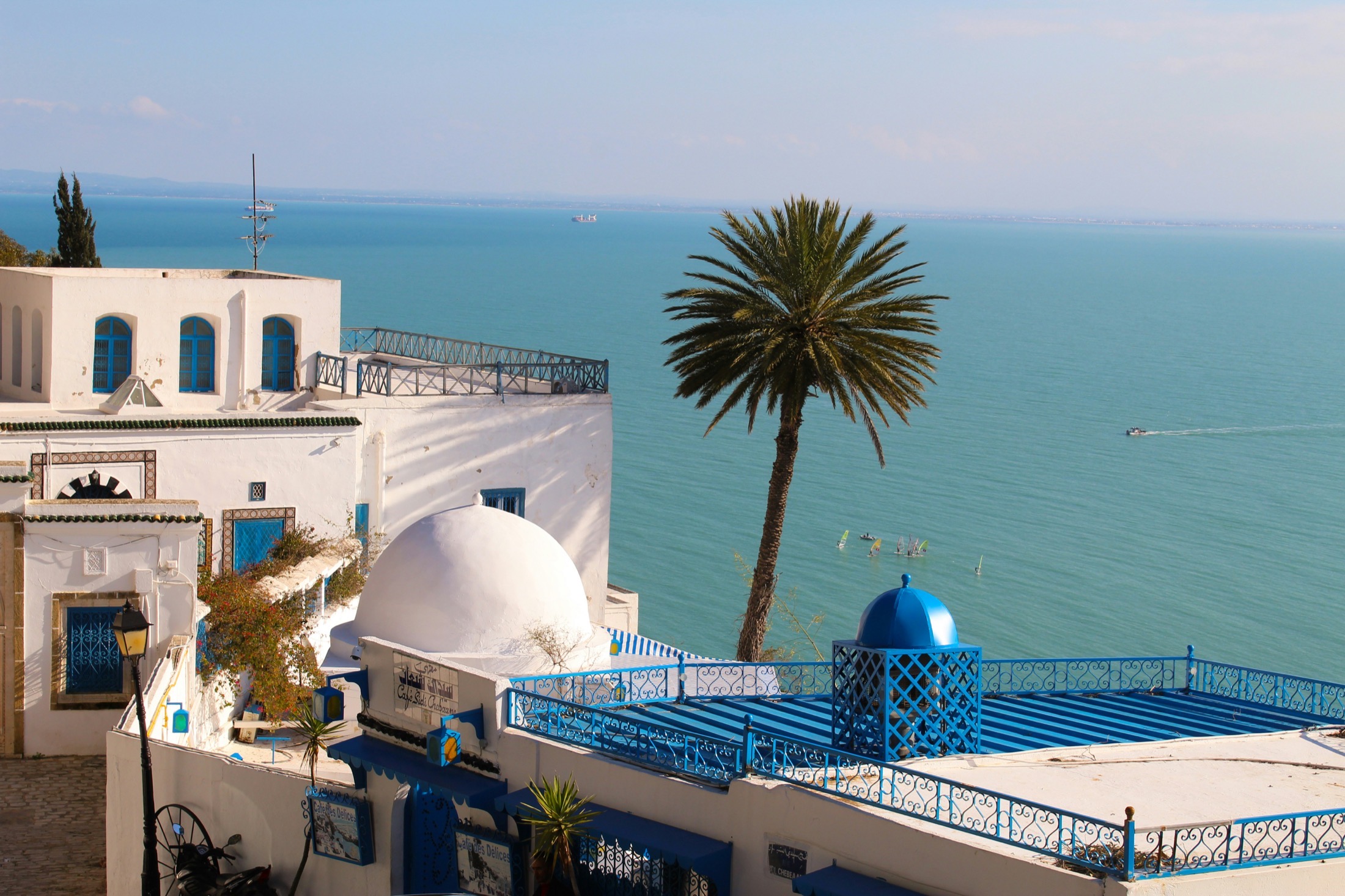
Whitewashed domes over the Mediterranean coast near Cap Bon, with windsurfers offshore
Tunisia's Fruit Basket

Cap Bon

The Cap Bon peninsula has been cultivated since Carthaginian times, when the pomegranate first appeared on Punic coins as a symbol of abundance. Today its orchards produce most of the country's citrus and pomegranates, while the town of Nabeul anchors both Tunisia's ceramics tradition and its harissa-making — recognized in 2022 as UNESCO Intangible Cultural Heritage. Along the coast, Kelibia is known for its seafood and vineyards, and El Haouaria for its centuries-old falconry festival.

  • Pomegranate & citrus orchards
  • Nabeul ceramics
  • Harissa capital
  • Kelibia seafood & wine
  • El Haouaria falconry

Taste Where These Goods Come From

Every product we carry traces back to one of these five regions.

See Our Goods