Margoum Rugs
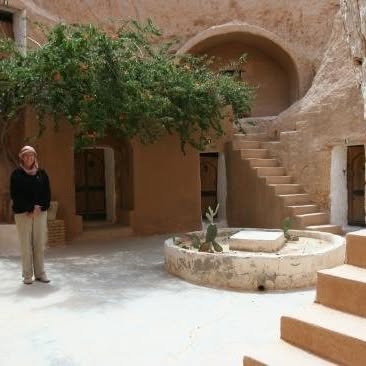
Hand-knotted flatweave rugs in bold Berber geometry, each one unique to the weaver who made it. Kairouan has been Tunisia's carpet capital for centuries, and margoum weaving is still taught mother to daughter.
Five signature foods and three artisan crafts, each sourced direct from the region that makes it best. This is our founding line — the taste-test for everything to come.
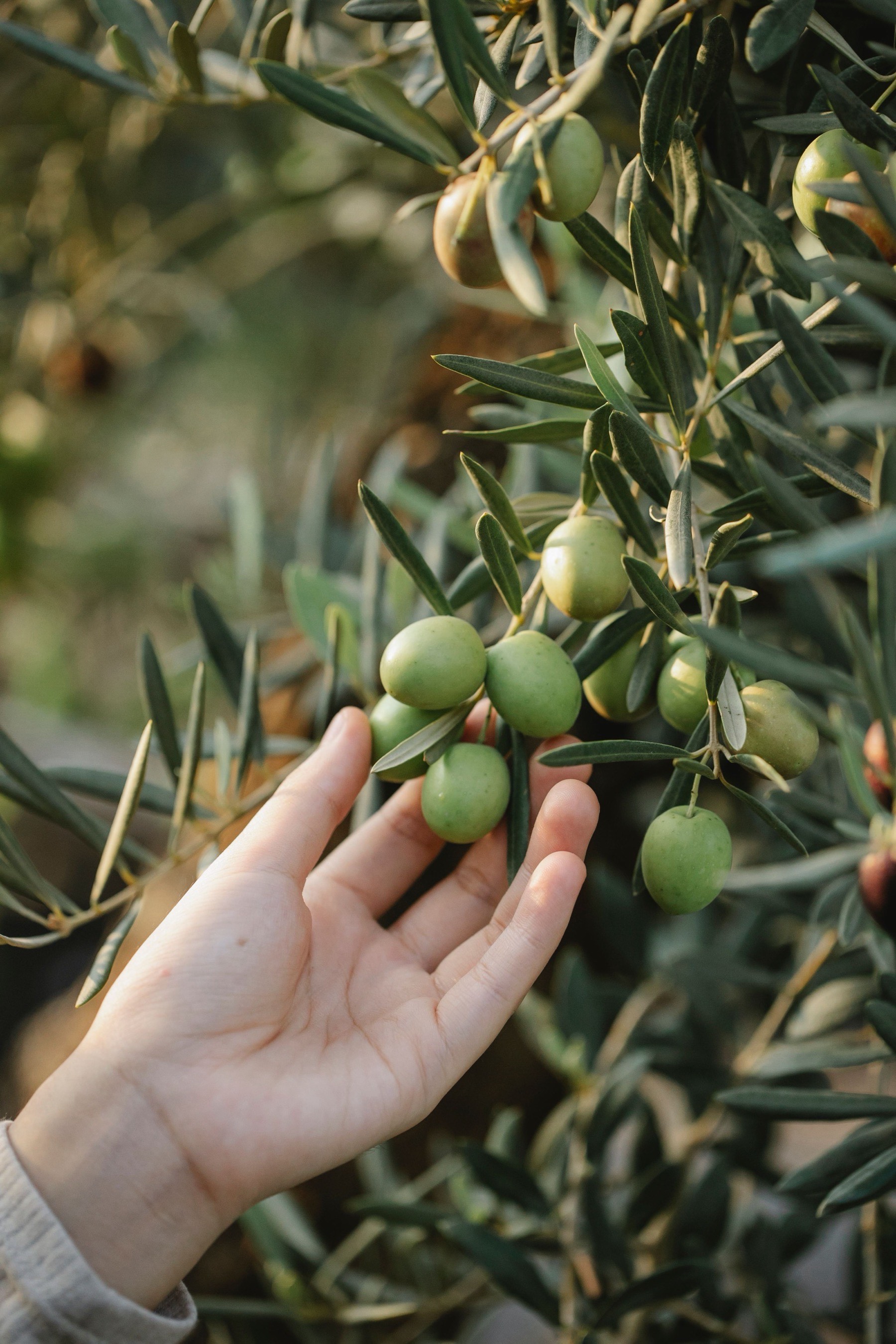
Olive trees have grown across Tunisia since the Phoenicians planted the first groves, and the Romans built an oil-export economy on top of them — mosaics unearthed near El Jem and Sousse still depict the harvest. Some Sahel groves are worked by trees over a thousand years old. Tunisia is today one of the world's largest producers of extra virgin and organic olive oil.
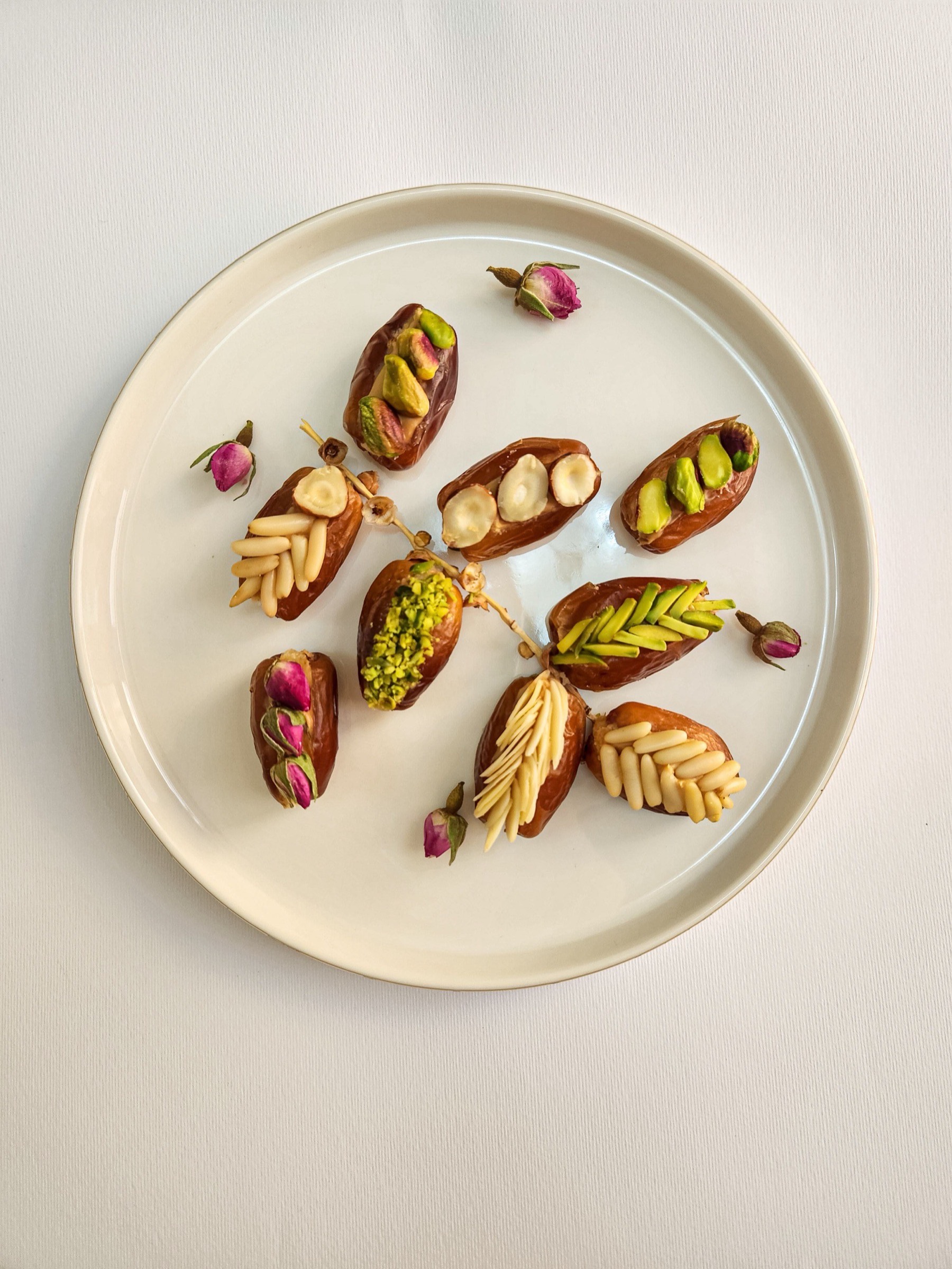
Deglet Nour means "date of the light" — held up to the sun, its flesh turns amber and translucent. The variety is native to the oases of Tozeur, Kebili, and Nefta, in the Djerid, where palms are still hand-pollinated each spring. Tunisia is one of the world's leading exporters of the variety, and growers hand-select each cluster before it ever leaves the palm.
The pomegranate has grown in Cap Bon since Carthaginian times — it appears on ancient Punic coins and carvings as a symbol of abundance. Today the peninsula around Menzel Bouzelfa produces some of the country's best fruit, harvested each autumn from small family orchards and split open for their ruby, glass-bright seeds.
Nabeul, on the Cap Bon peninsula, is Tunisia's harissa capital. Baklouti peppers are sun-dried on rooftops each summer, then ground by hand with garlic, caraway, and coriander — a recipe passed down through generations. In 2022, UNESCO inscribed Tunisian harissa on its Intangible Cultural Heritage list, recognizing a tradition that predates the modern country itself.
Tunisia's coastal towns — Sfax, Bizerte, La Goulette — have salted and preserved Mediterranean fish since Punic and Roman times, when garum works lined the shore at Kerkouane. Today's canneries carry that tradition forward: tuna is hand-packed in olive oil, in small batches, the same way it's been done for generations.
Made by hand, in workshops and courtyards, by families who've done this for generations. We're building the relationships now to bring these into our wholesale line.

Hand-knotted flatweave rugs in bold Berber geometry, each one unique to the weaver who made it. Kairouan has been Tunisia's carpet capital for centuries, and margoum weaving is still taught mother to daughter.

Hand-thrown and hand-painted in the same blue, white, and ochre glazes you see on mosque domes and courtyard tile — a Nabeul tradition running back through centuries of kilns.

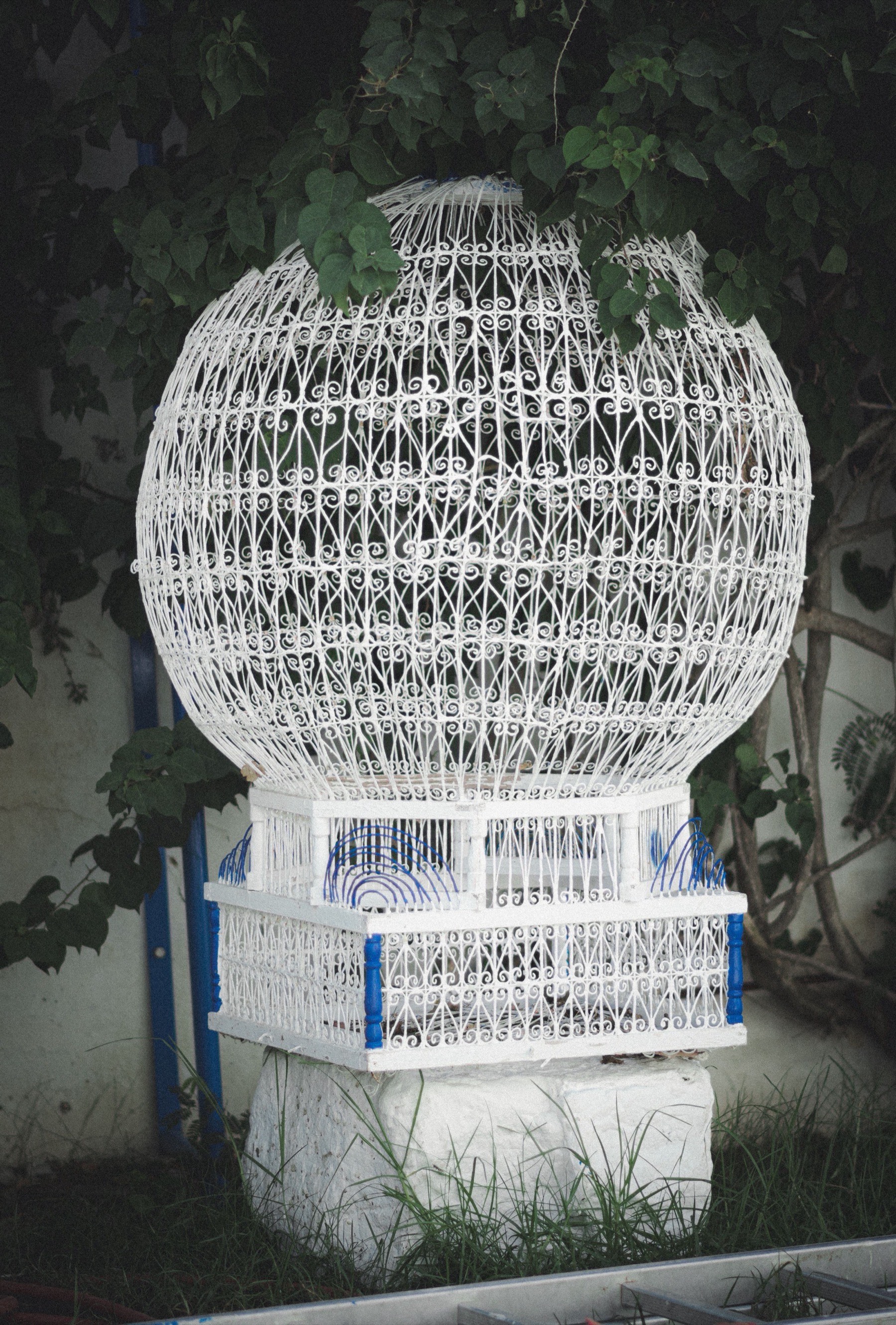
Ornate wood-and-wire cages, painted bright and hung in courtyards across the country — a small, cheerful fixture of Tunisian home life, still built by hand in local workshops.
We're building our wholesale line now, starting with these five foods.
Start a Wholesale Conversation